CreativIA: Generative Artificial Intelligence Applied to Design, Fashion, and Habitat
The CreativIA project drives the integration of generative artificial intelligence (AI) into the creative industries, with a particular focus on design, fashion, and habitat. In a context of digital transformation, AI is becoming a key tool for redefining creative processes, optimizing production, and opening new avenues for innovation across the sector.
CreativIA aims to bring AI closer to professionals, businesses, and students through training, experimentation, and knowledge transfer. Via technology scouting, training programs, specialized workshops, and collaborative initiatives, the project enables hands-on learning of AI tools applied to design and fosters co-creation between creative and technology-oriented profiles.
LCI Barcelona's Role in AI and Design Innovation
As an international design school, LCI Barcelona has played a strategic role in CreativIA, leading the connection between technology, creativity, and education. Its involvement reinforces its position as a benchmark institution for AI-integrated design education in Barcelona.


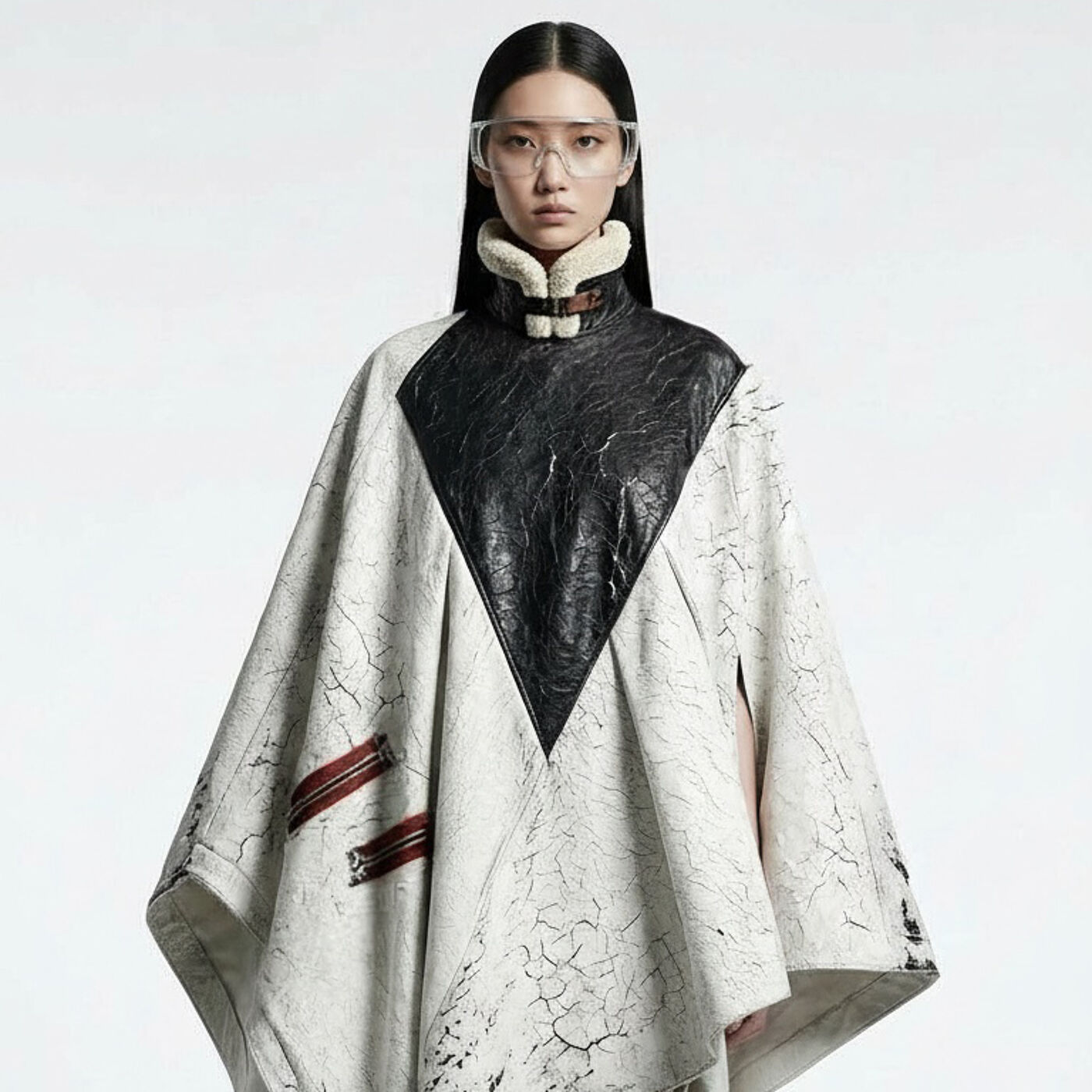

Technology Scouting
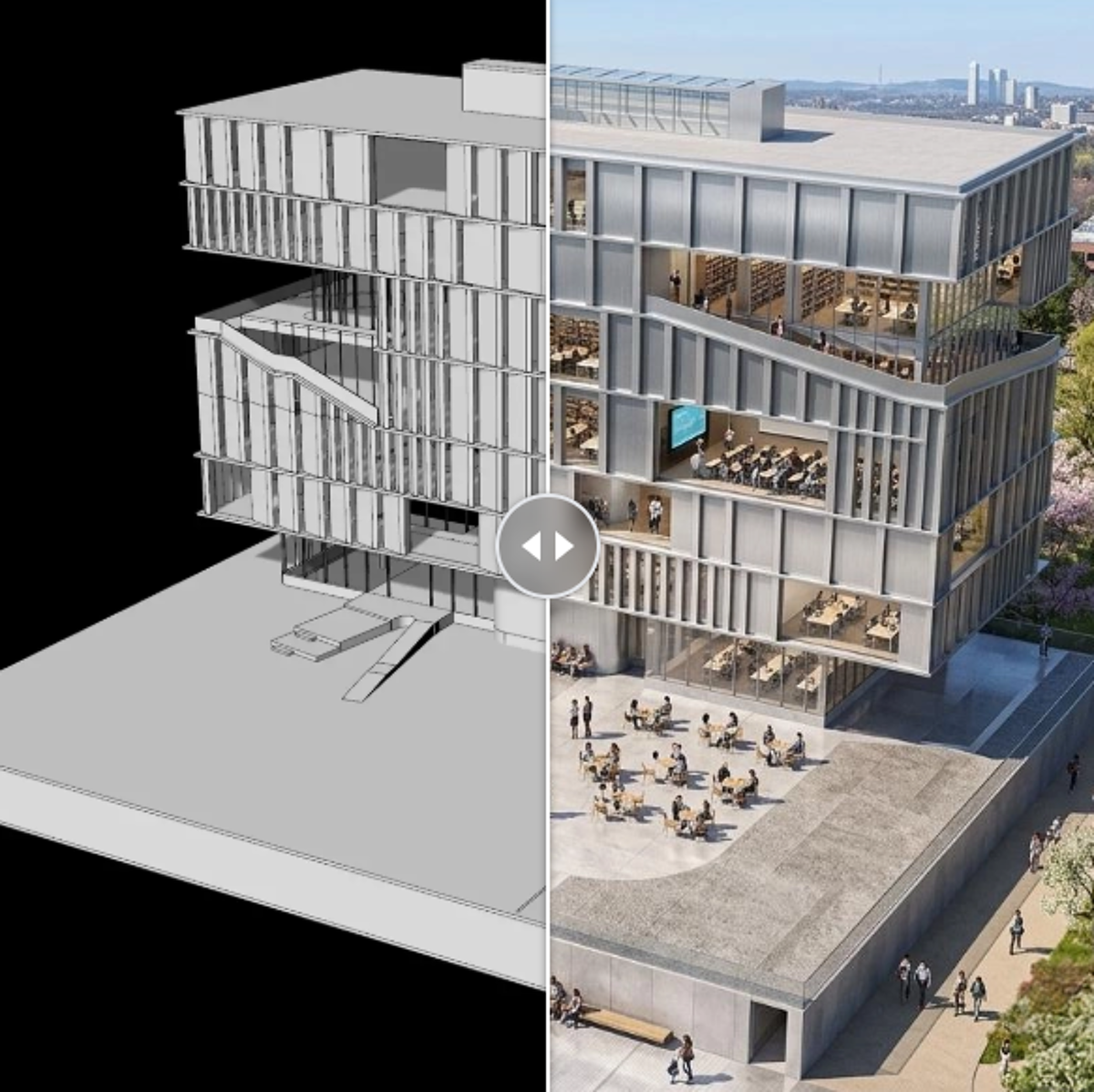
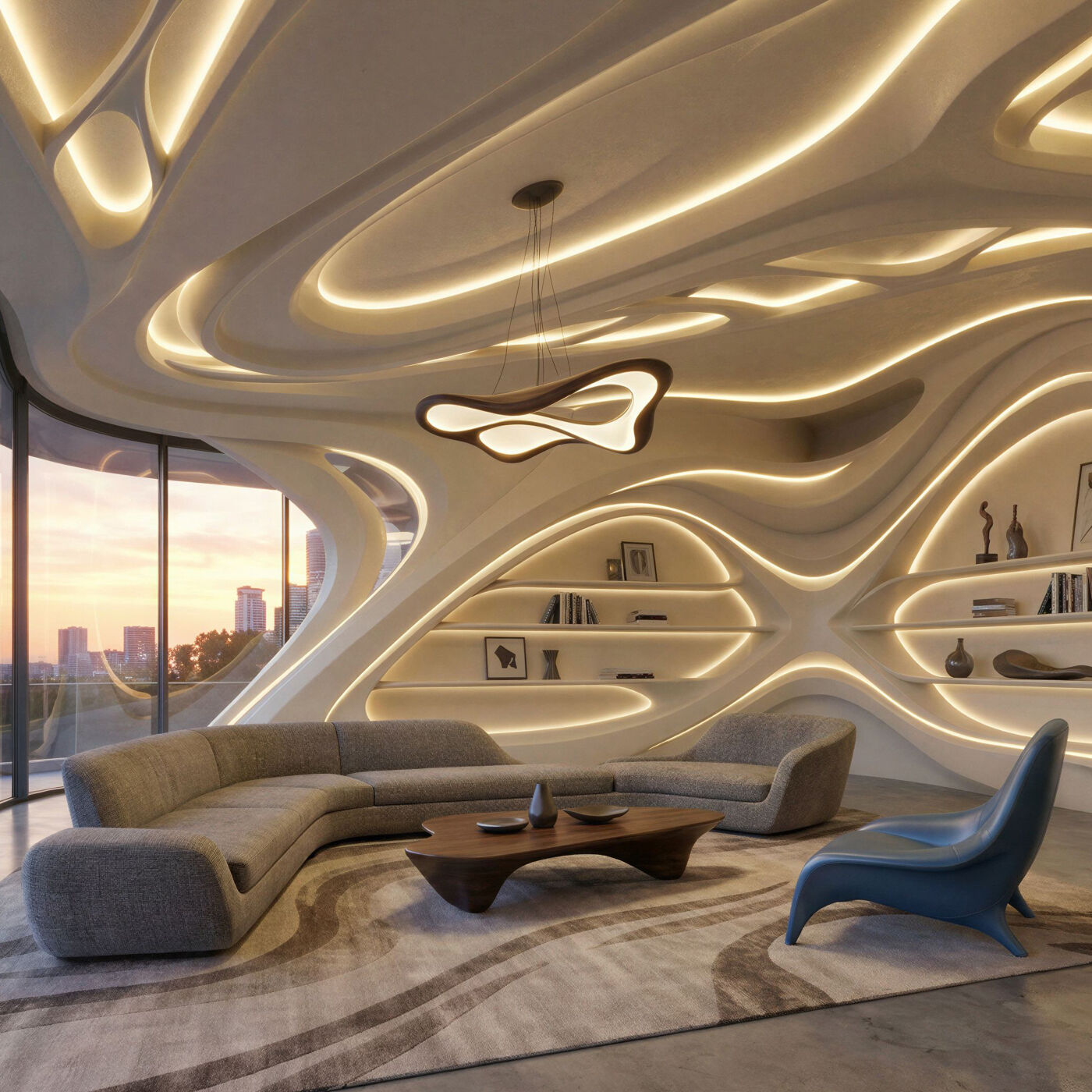
The school has taken part in extensive technology scouting processes and the validation of real-world use cases, exploring the application of artificial intelligence in professional contexts. This experimentation has made it possible to assess the viability, functionality, and aesthetic quality of AI-based solutions, contributing to their effective integration into design workflows.
As a result, a comprehensive report has been produced that maps and analyzes the main artificial intelligence tools applied to fashion and interior design, supporting their understanding, selection, and implementation in creative and professional settings.

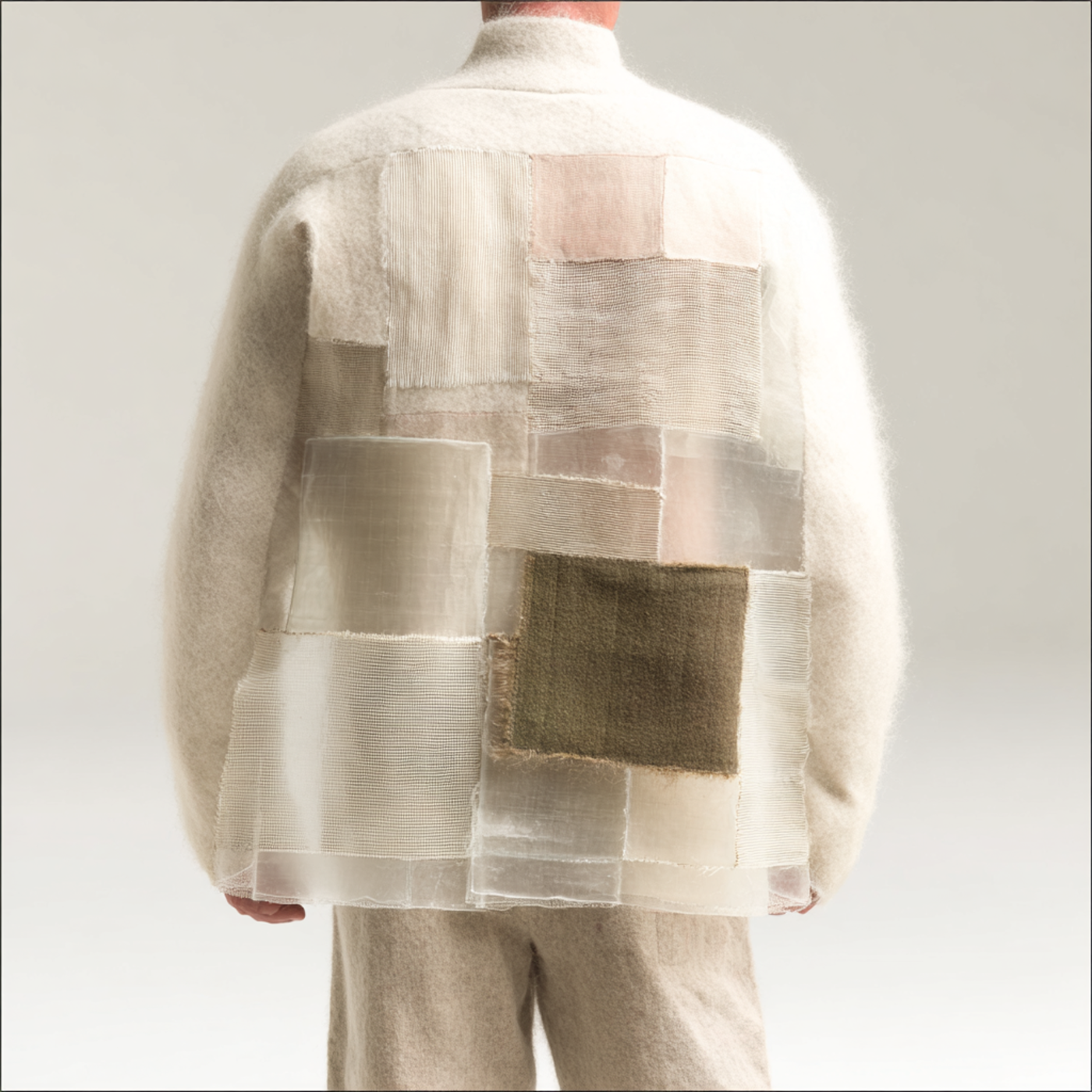
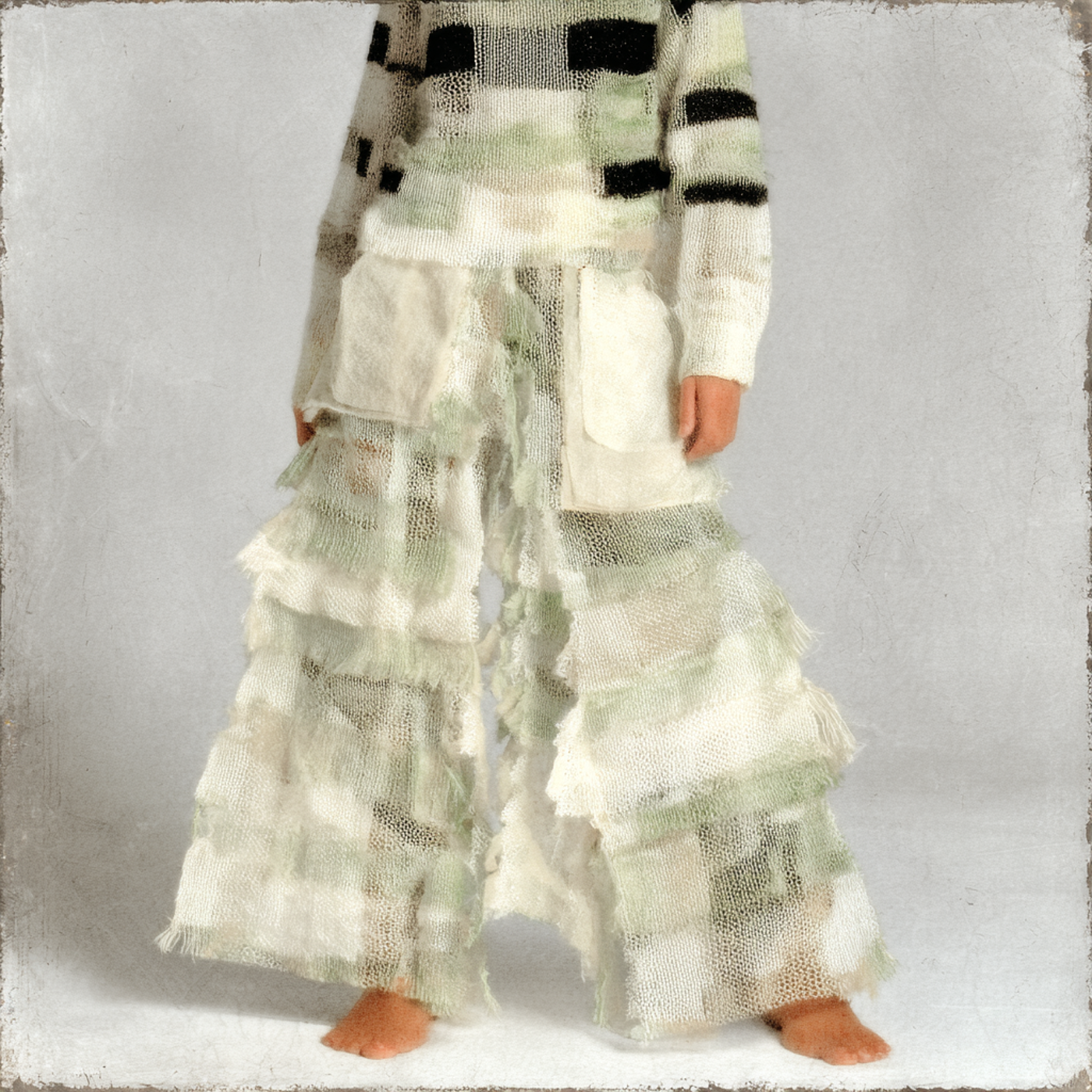

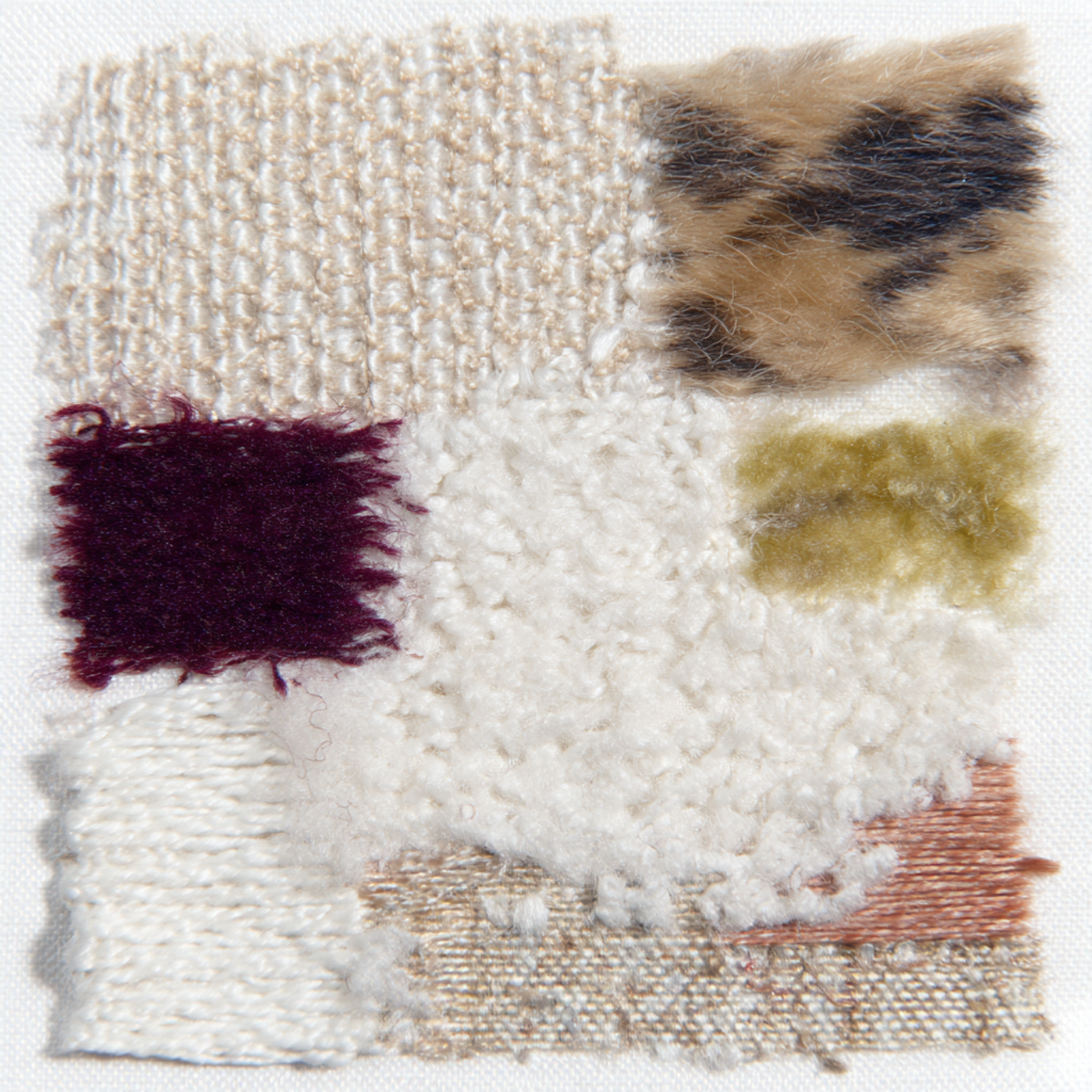
Participation in the Modacc Hackathon
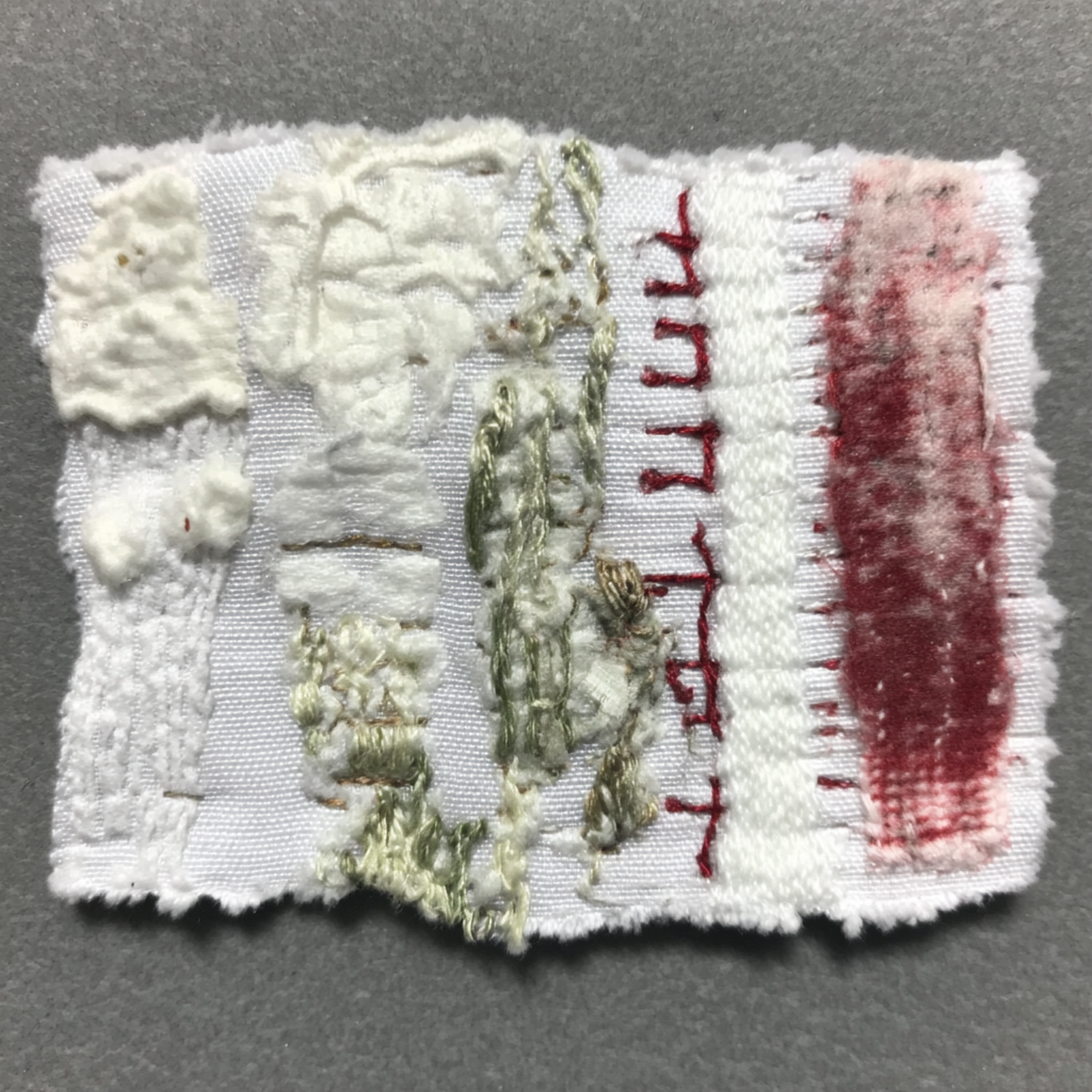
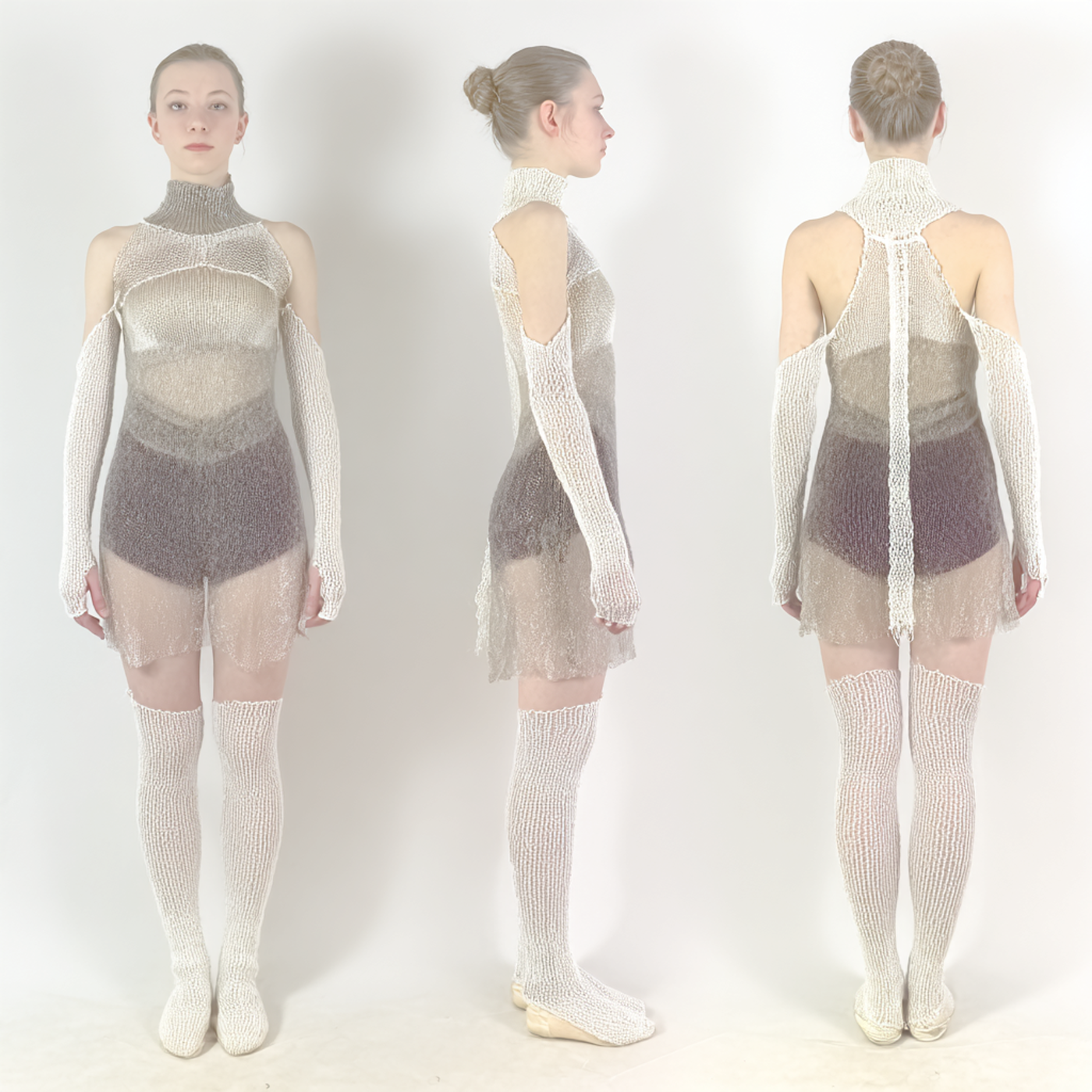
As part of the project, LCI Barcelona participated in a hackathon organized by Modacc, working within the framework of its CRAFT-IT4SD project, which champions craftsmanship as a driver of sustainability and cultural transmission.
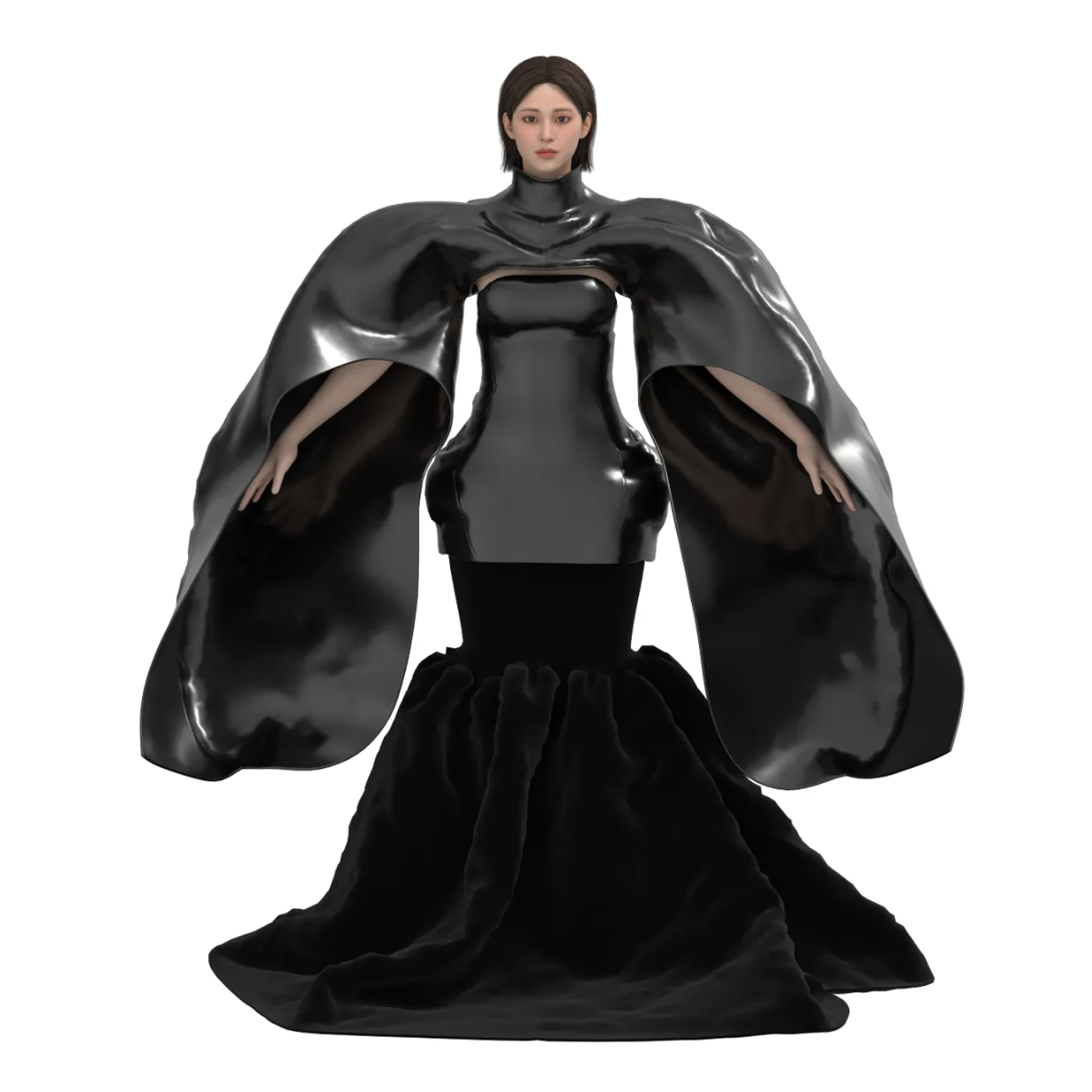
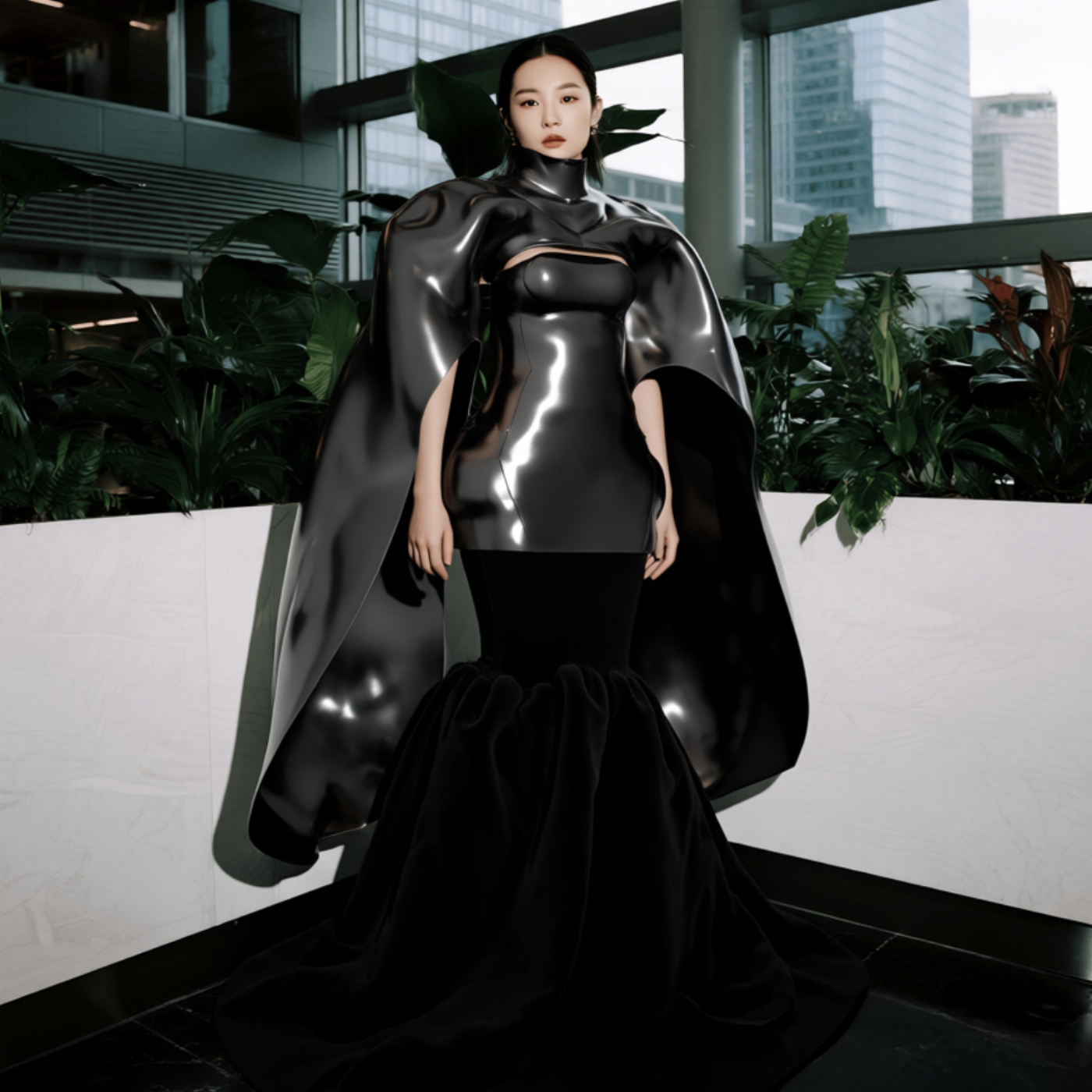
The development took Catharsis as its starting point — a collection by LCI Barcelona Fashion Design student Alba Semper, used as the conceptual and creative foundation. Building on this work, a hybrid AI-based workflow was designed as an integrated system covering every stage of the design process, from concept development to final communication.
This collaboration brings craft and new technologies into dialogue, exploring new methodologies for creation and production in contemporary design.
Workshop Program
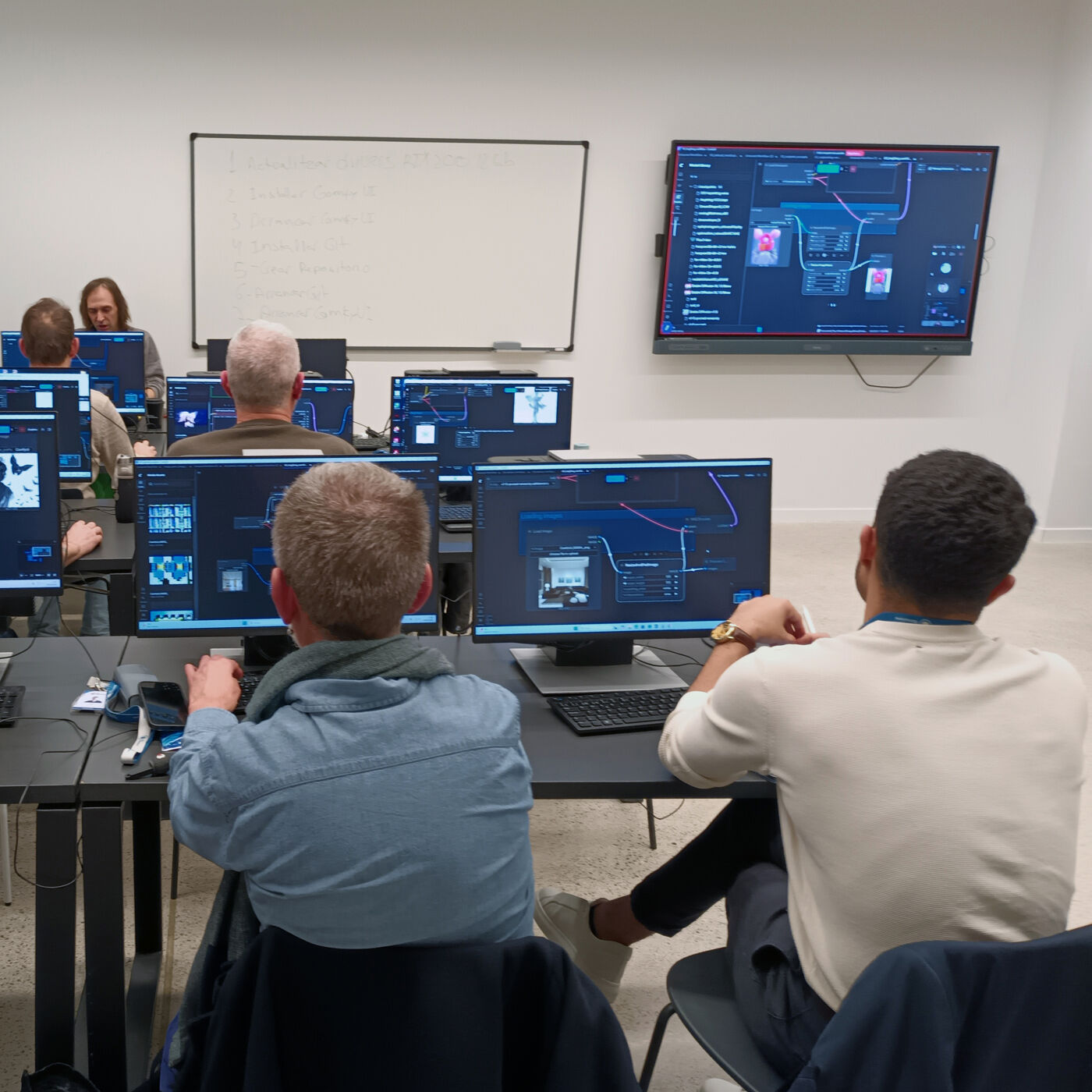
Throughout the project, LCI Barcelona organized workshops and training sessions for faculty, focused on the application of generative artificial intelligence in design. These sessions addressed both the use of emerging tools and workflows and the pedagogical integration of AI in the classroom, also encouraging critical reflection on its ethical, creative, and professional implications.
LCI Barcelona's involvement in CreativIA has strengthened its role as a point of reference for the integration of artificial intelligence in design education and practice. Through experimentation, training, and collaboration with the sector, the school has generated applied knowledge and new methodologies that bridge technology and creativity.
Funding and Partners
The CreativIA project is supported by the Generalitat de Catalunya through the RETECH program (Territorial Networks for Technological Specialization), within the framework of the Recovery, Transformation, and Resilience Plan (PRTR), funded by the Next Generation EU Fund.
Project partners include AMBIT Living Spaces Cluster, Modacc, Elisava, and LCI Barcelona, with the external collaboration of Sciling.