The international conference “Art in Motion” turns LCI Barcelona into a meeting point for the animation sector
Polish filmmaker Izabela Plucińska was one of the key figures at the event organized together with University of Barcelona's Faculty of Fine Arts.
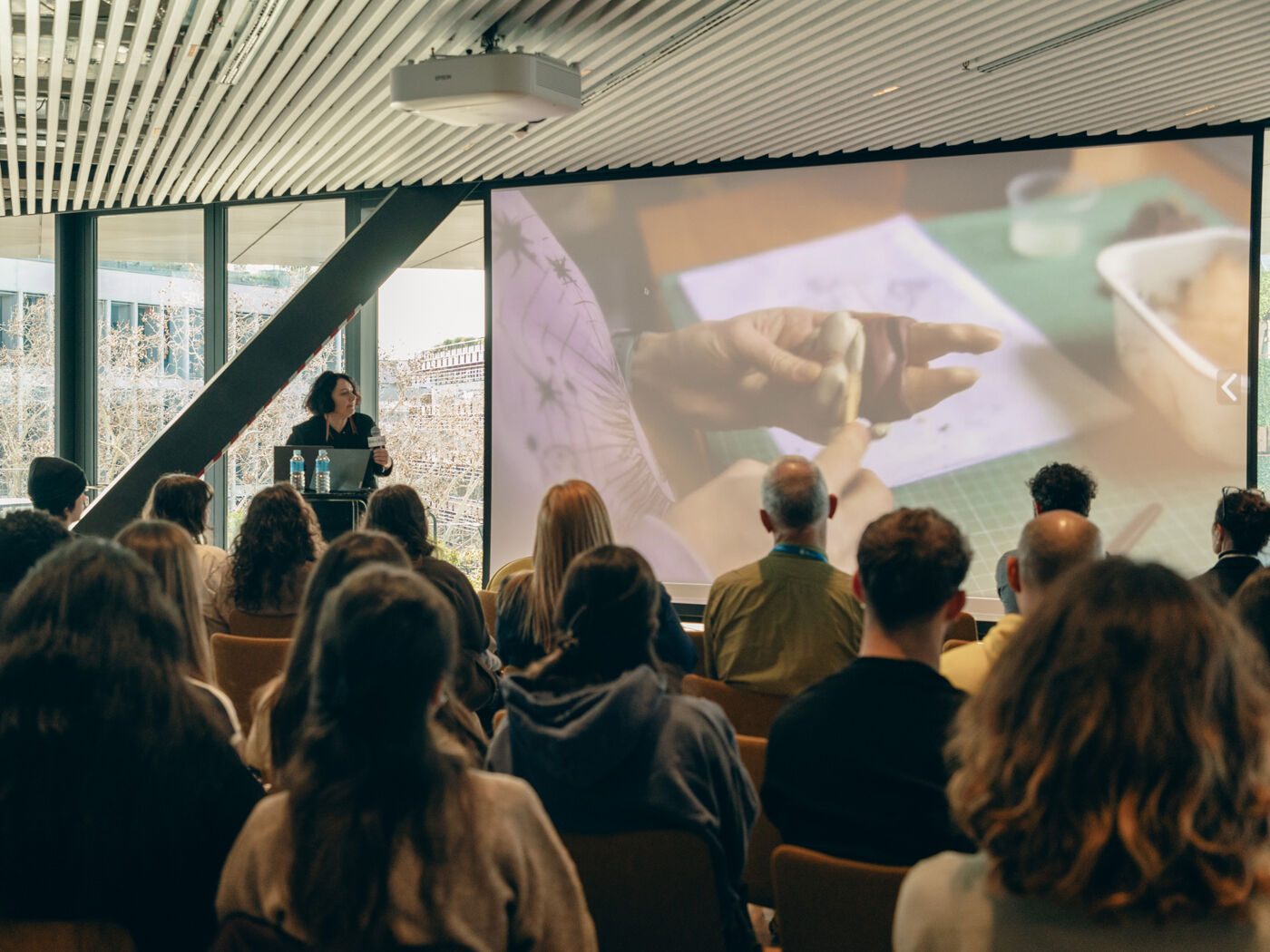
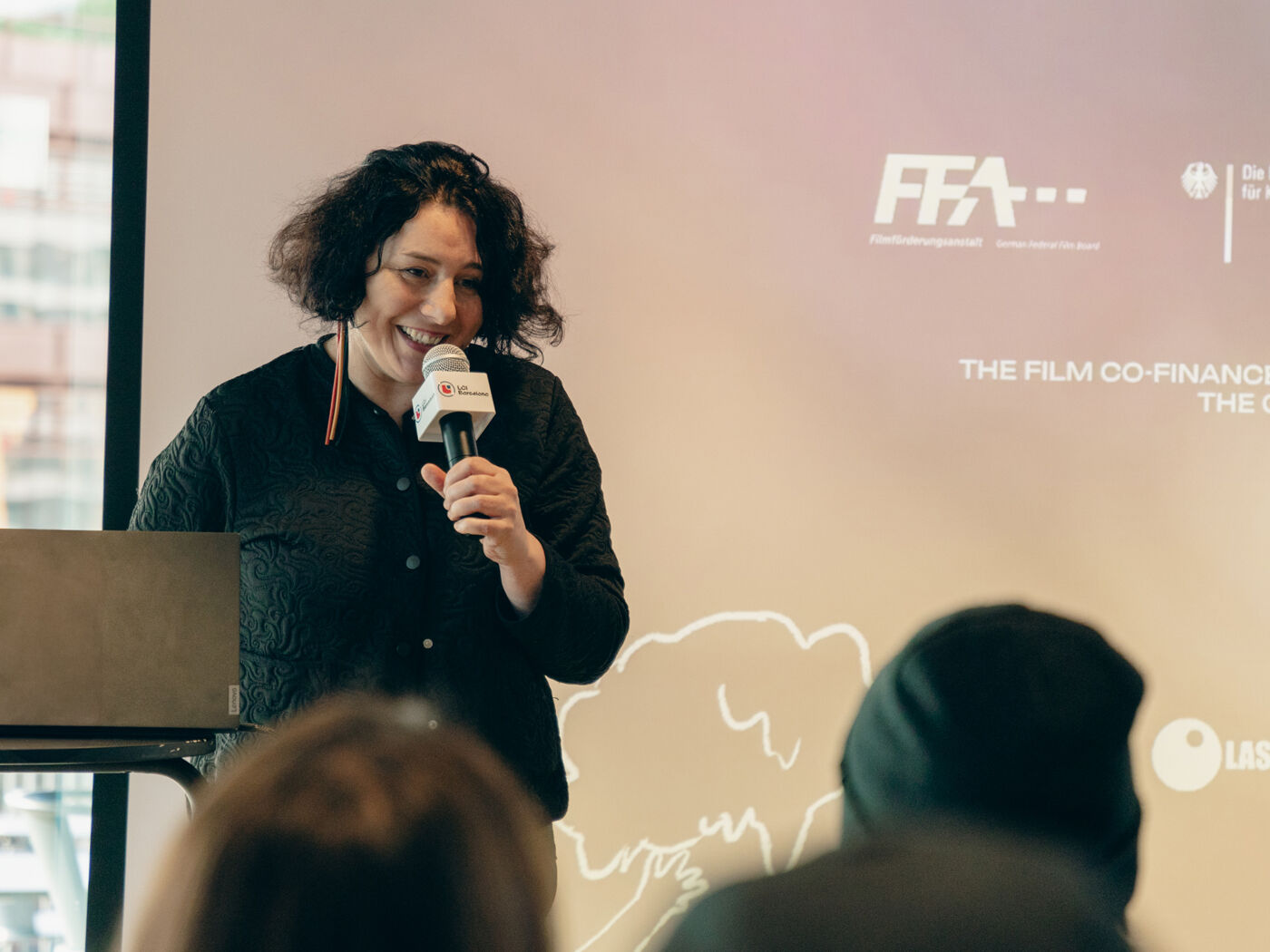
Our campus hosted the international symposium "Art in Motion: Animation, Education, and Contemporary Practices", organized jointly with the Department of Arts and Conservation-Restoration of the Faculty of Fine Arts at the University of Barcelona. The event, held in the Montreal Room, brought together researchers, educators, and artists to explore the moving graphic and audiovisual image as a tool for creation, education, and research in the field of contemporary art.
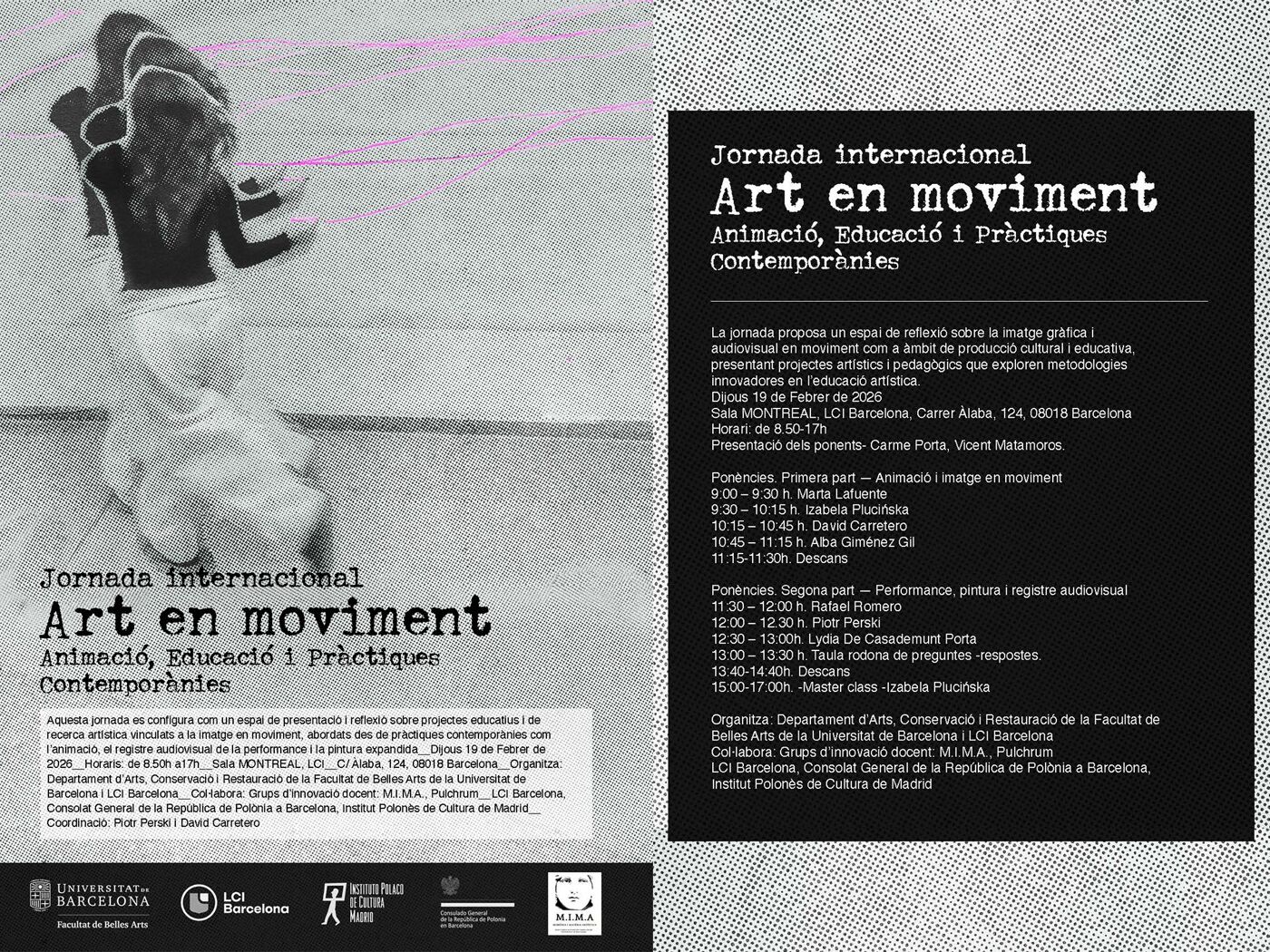
Following an opening presentation by Carme Porta and Vicent Matamoros, the symposium was structured around two panels. The first, devoted to animation and the moving image, featured contributions from Marta Lafuente, Izabela Plucińska, David Carretero (head of our Gaming, Animation, and VFX area), and Alba Giménez Gil (Research coordinator at LCI).
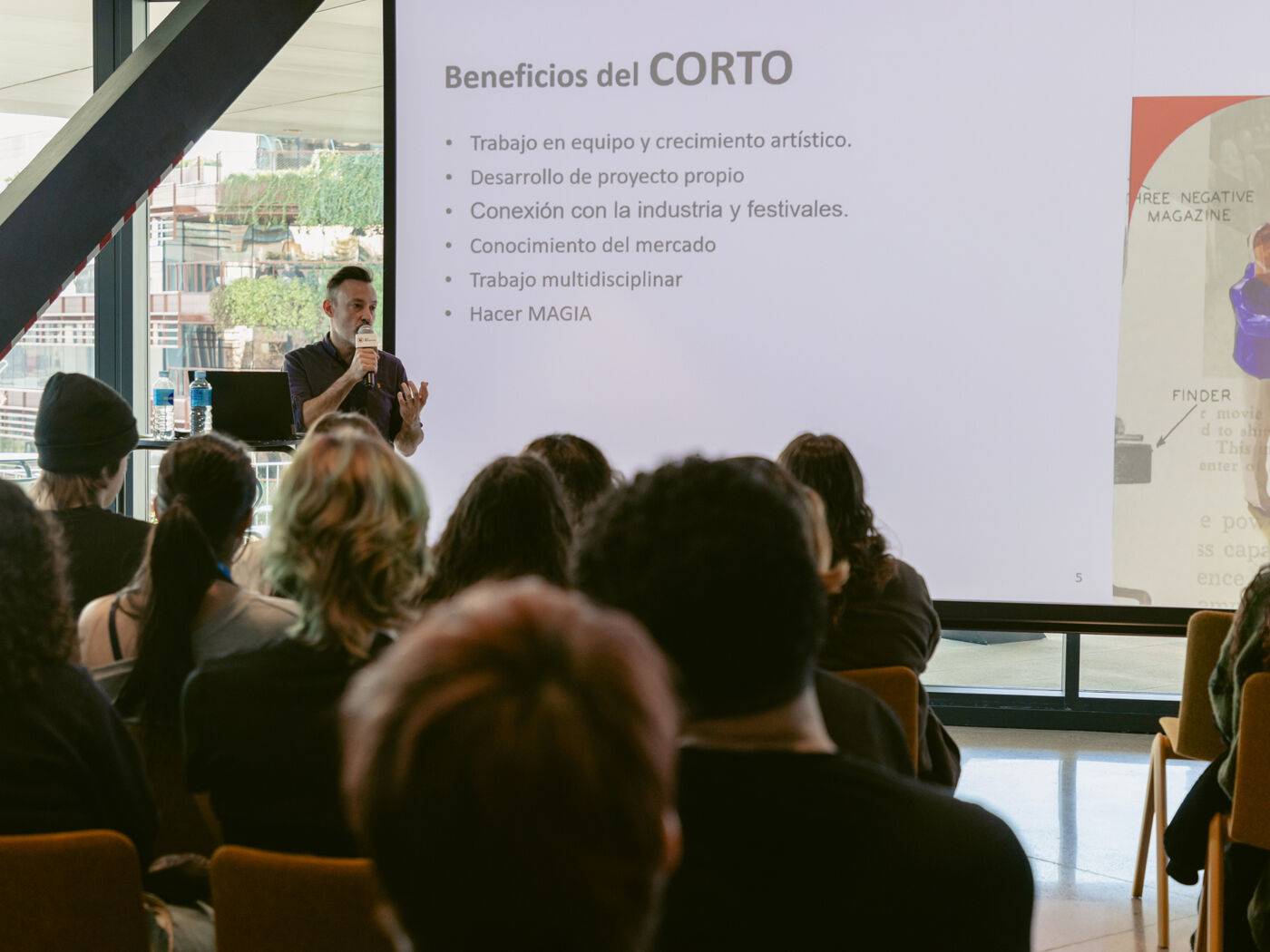
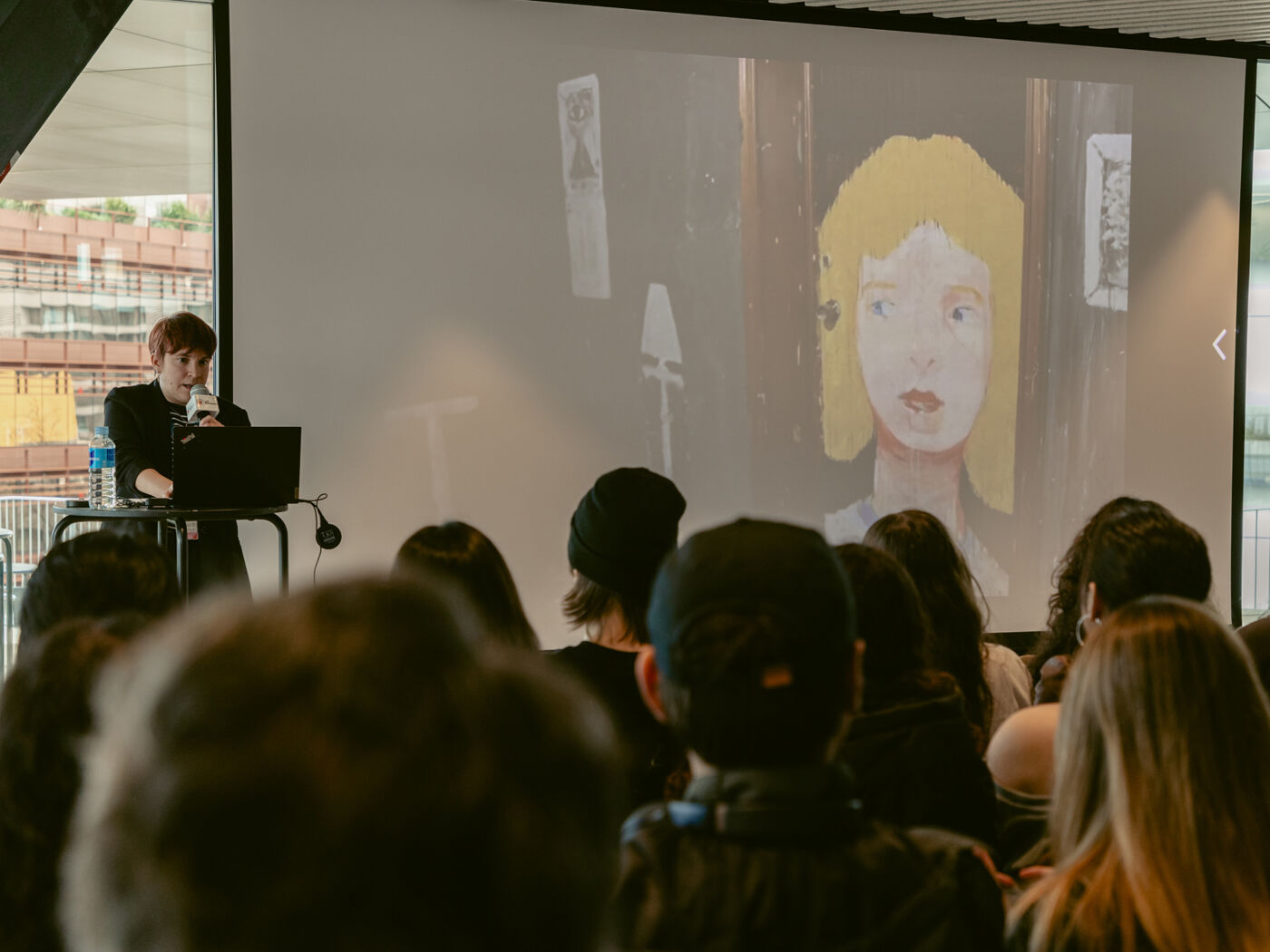
The second panel, focused on performance, painting, and audiovisual documentation, brought together Rafael Romero, Piotr Perski, and Lydia De Casademunt Porta, and concluded with a Q&A roundtable. In the afternoon, the symposium culminated in a two-hour masterclass by Izabela Plucińska. The event was coordinated by professor and artist Piotr Perski and David Carretero.
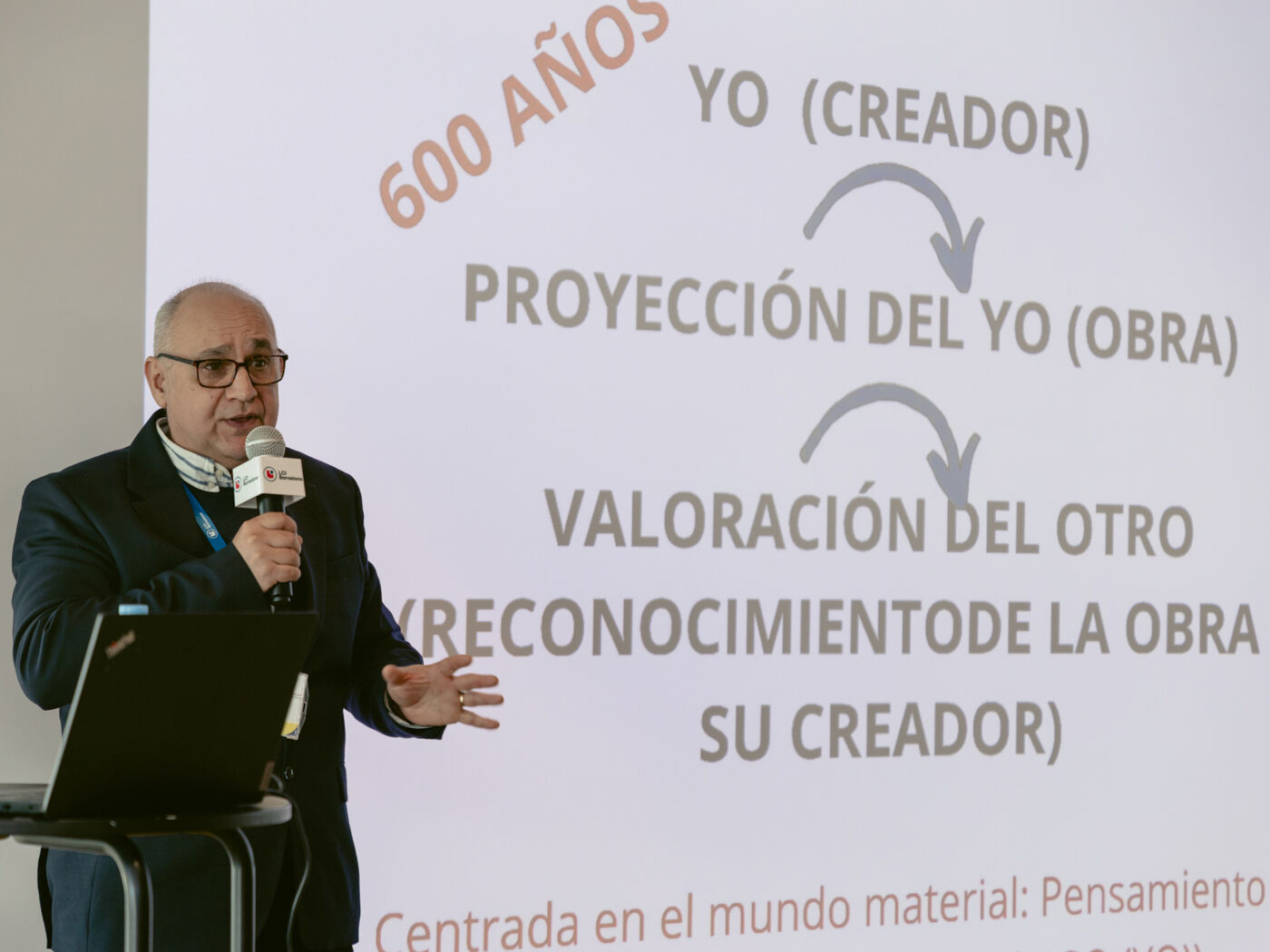
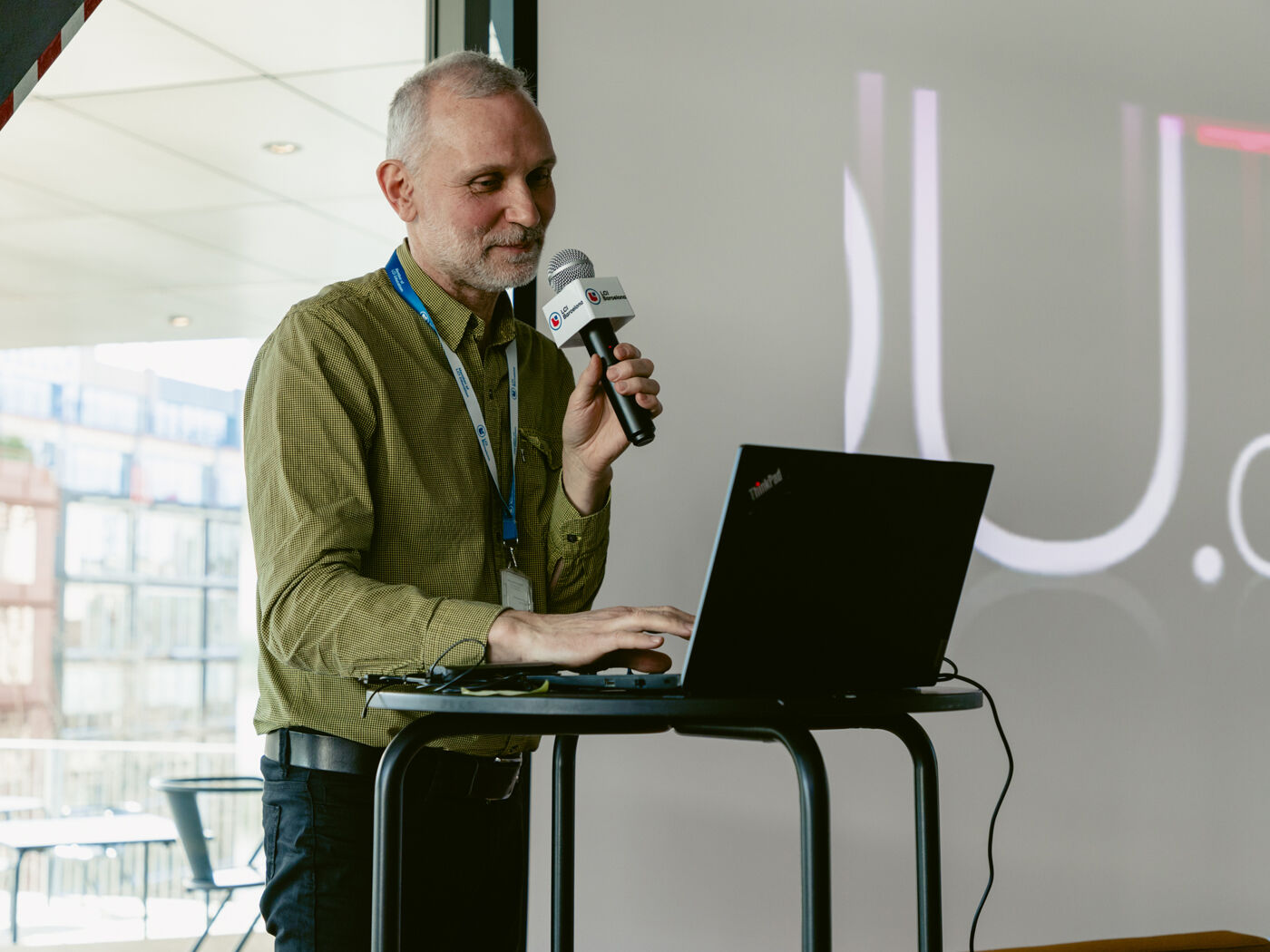
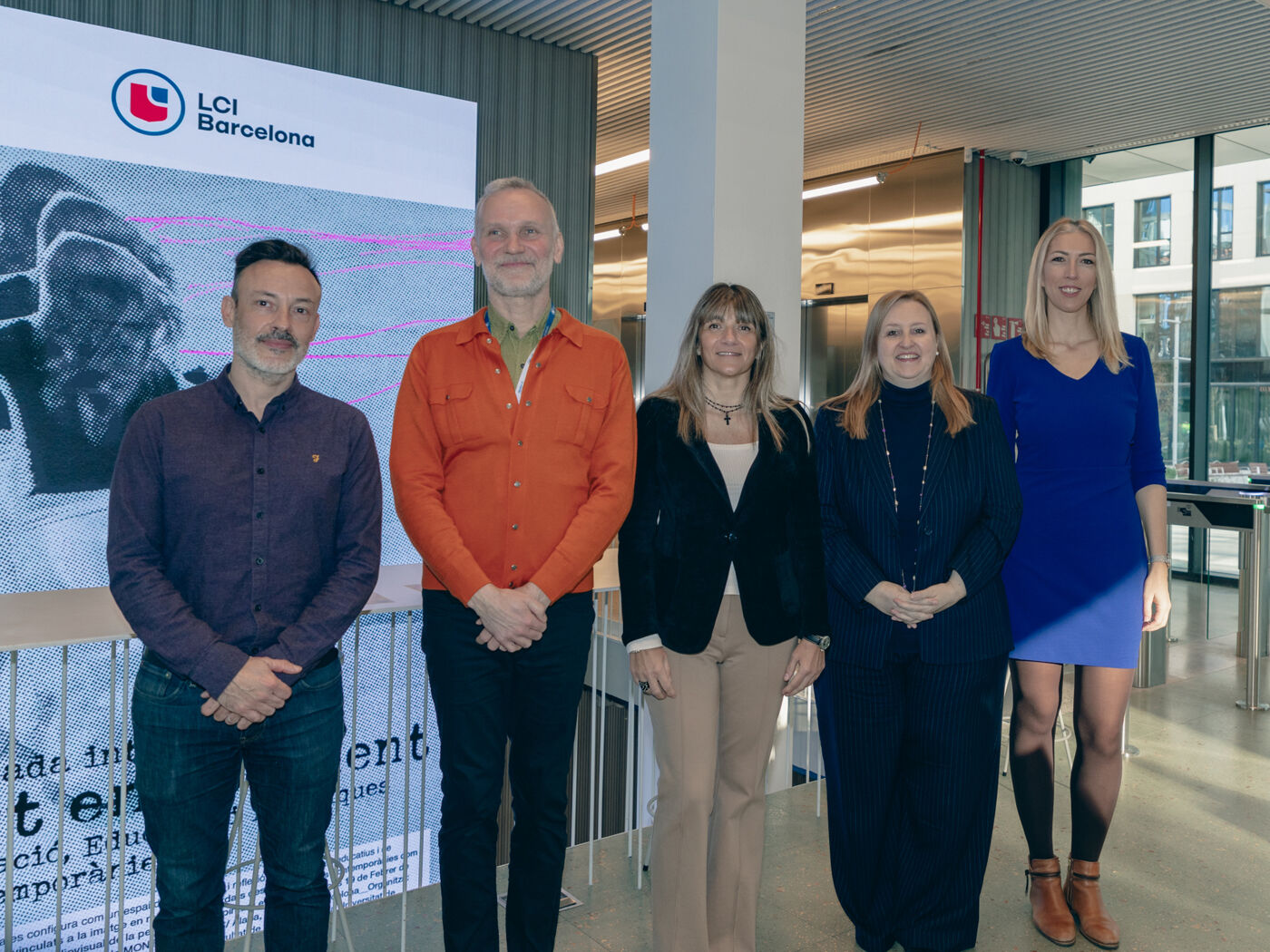
The event was supported by the teaching innovation groups M.I.M.A. and Pulchrum, as well as the Consulate General of the Republic of Poland in Barcelona and the Polish Cultural Institute in Madrid. Among those in attendance was Ilona Kałdońska, Polish consul in Barcelona, who was welcomed by our general director Sílvia Viudas, the Academic director Miljana Micovic, and the event coordinators.
Interview with Izabela Plucińska
One of the standout figures of the symposium was Polish filmmaker and screenwriter Izabela Plucińska, internationally recognized for her work in clay animation. In addition to her morning presentation, she led an afternoon masterclass in which she shared her creative process with participants. We had the opportunity to speak with her about her artistic practice and her experience at the event:
Your work combines animation with very tactile and material techniques, especially clay animation. What first attracted you to this medium, and what possibilities does it offer that other animation techniques do not?
What first attracted me to clay animation was its physicality and the direct contact with the material. I was fascinated by the idea that you can literally touch the image, shape it with your hands, and watch it transform frame by frame. Unlike digital animation, where many processes happen on a screen, here every movement leaves a real, material trace. This technique offers a very special freedom when it comes to creating emotions and atmosphere. The material itself begins to “perform” — its texture, weight, and the way it deforms all influence the narrative. Because of this, the image feels more organic and sometimes unpredictable, and the creative process often leads to discoveries that cannot be fully planned in advance.
During your masterclass, you shared your creative process and the way you build narratives through movement and material. What were the key ideas you wanted assistants to take away from the session?
One of the most important ideas I wanted to share was that technique should never be the goal in itself — it should be a tool for telling a story and expressing emotions. Another key message was the importance of experimentation and openness to chance. In animation, some of the most interesting solutions appear when something doesn’t go exactly as planned. I encouraged the participants to explore different materials, combine techniques, and allow themselves a certain spontaneity in the creative process.
Some of the attendees were animation students. What advice would you give to young animators who are starting to develop their own artistic voice?
My first advice would be to be patient with your own creative process. Finding your artistic voice takes time and many experiments. It is important to try different techniques, subjects, and forms, because often something very personal emerges from that exploration.
I would also encourage young artists to be brave when telling stories that truly matter to them. The most powerful films often come from very personal experiences or emotions.
And finally, I would say: try not to compare yourself too much to others. Inspiration is important, but every artist develops at their own pace. The most important thing is to stay curious and keep working consistently on your own voice.
What impressions did you take away from our creative environment?
For me, meeting students is always a two-way process. Of course, I share my experience, but at the same time I gain a lot of energy from their fresh perspectives and their courage to think differently about images and storytelling. I hope that my presentation about the Academy of Art in Szczecin and my work was interesting. Perhaps it will inspire some students to take part in an Erasmus exchange.
It is during such meetings that new ideas arise. Recently, we had the opening of the Polish–German–Czech exhibition of puppets and animation set design, ANIMATEIA. One day I would love to bring this exhibition to Barcelona and also showcase the puppets created by students and artists from there.
Many thanks to the organizers at LCI Barcelona, and especially to Piotr Perski for the idea and the invitation.
This event reaffirms our commitment to research, pedagogical innovation, and the dialogue between education and contemporary artistic practice.